What does a US cup mean in a recipe?
Decode cups and spoons before switching between an American recipe and a metric kitchen.
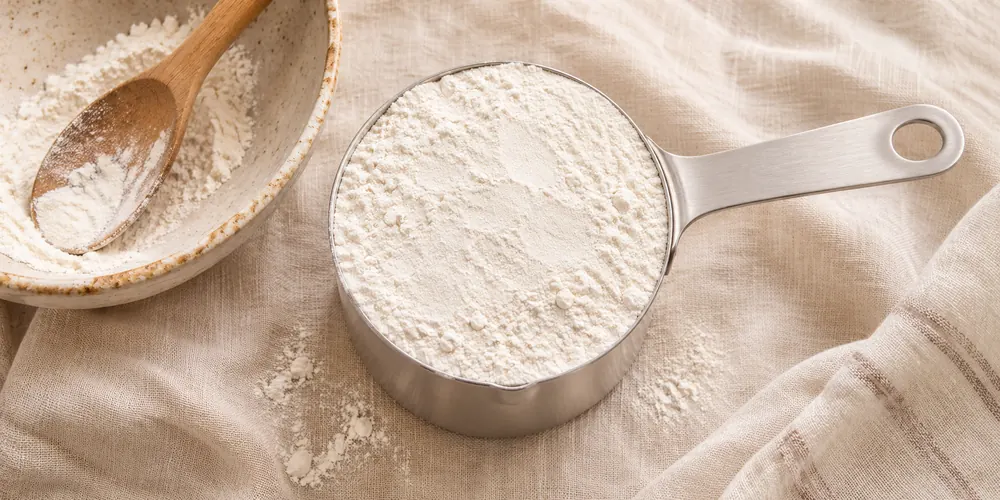
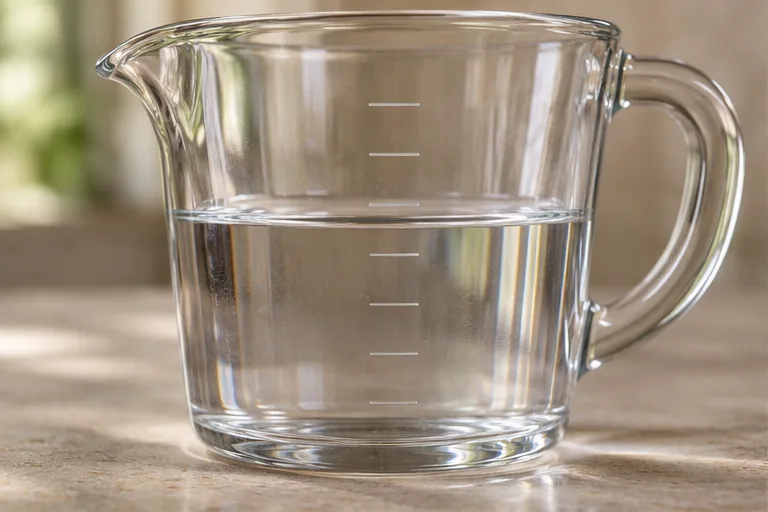
Turn over one of your measuring cups and look for a capacity printed under the handle. A metric cup may say 250 mL. A US customary cup holds about 237 mL, often rounded to 240 mL in kitchen charts. That is a modest difference for one cup of stock, but it accumulates across several cups of flour or milk.
Inside the US system, the relationships are simple. One cup equals 16 tablespoons. One tablespoon equals three teaspoons. To measure three quarters of a US cup from a metric jug, a home-cooking approximation is 180 mL when using the 240 mL kitchen convention. Keep that convention consistent throughout a single recipe.
A spoon from your cutlery drawer has no fixed capacity. Use marked measuring spoons, especially for concentrated ingredients such as baking powder. Check the stamped milliliters when working with an Australian recipe because its tablespoon can be 20 mL. For a recipe that gives both grams and cups, avoid switching back and forth in the middle of the batch.
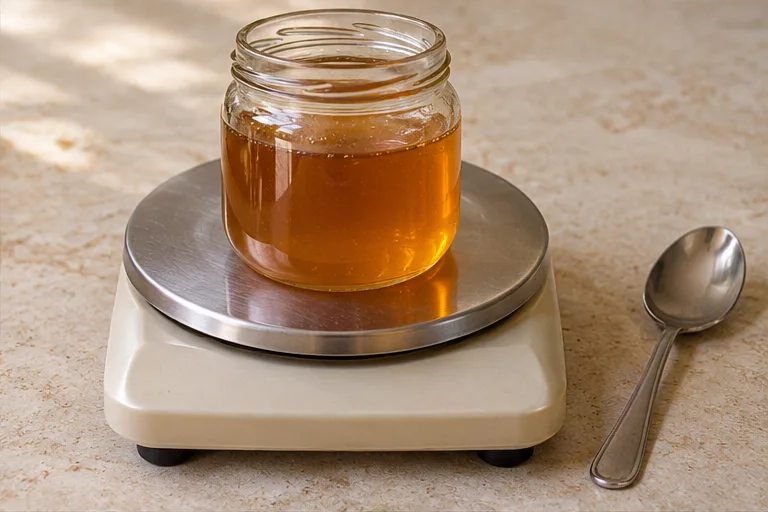
Finally, separate the words “fluid ounce” and “ounce.” A fluid ounce measures volume and an ounce on a scale measures mass. A measuring jug cannot tell you how many ounces a cup of oats weighs. For a dry ingredient, use a scale or a specific ingredient conversion to get from the cup to grams.